
Stop Heating Your Cabinet Walls
Most heating elements just blast energy in every direction. In a semiconductor tool, that’s a problem. You end up wasting a ton of power and turning your equipment’s inner walls into giant heat sinks. When those walls get too hot, you’re asking for trouble. You risk frying your sensitive electronics or, worse, giving an operator a nasty burn. We handle this by using directional infrared (IR) lamps.
Putting the Heat Where It Actually Matters
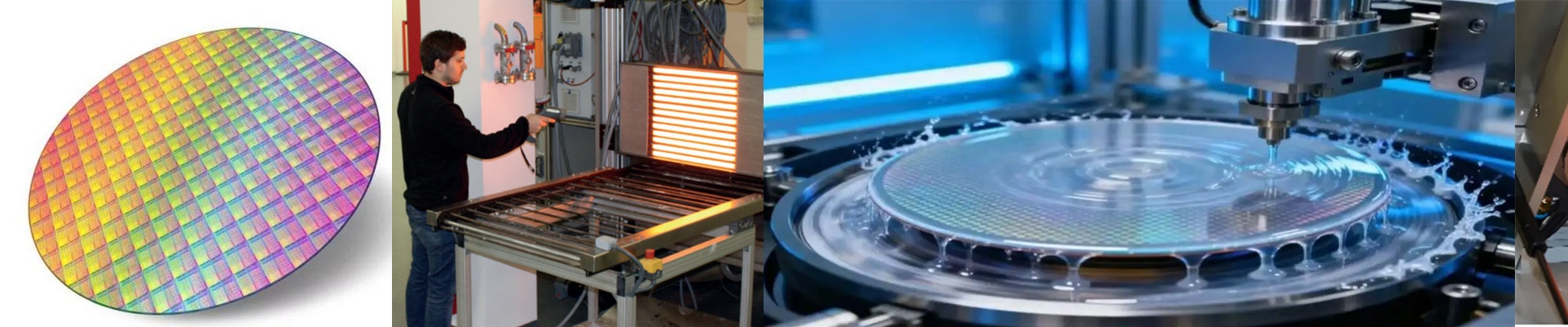
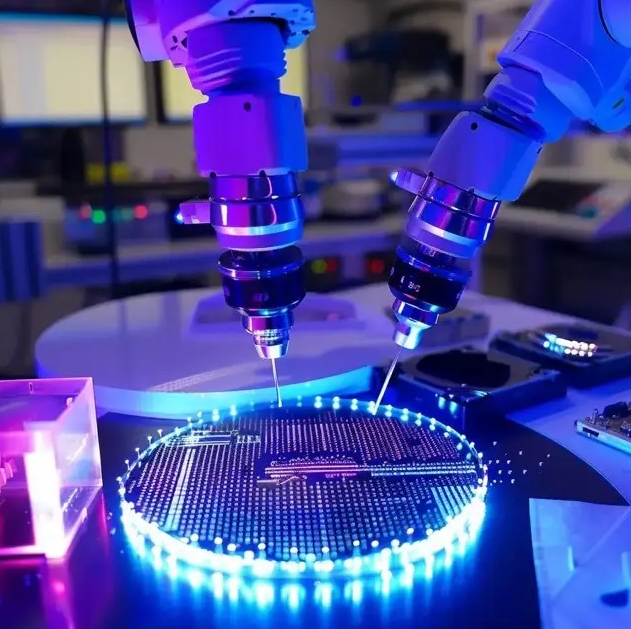
Think of it like a flashlight instead of a lightbulb. Instead of filling the whole room with light, you’re aiming a beam. By using specific quartz coatings and reflectors, we push the thermal energy straight at the workpiece. This kills the “oven effect” where the entire chamber becomes a sauna. You get the heat density you need on the wafer or substrate, but the chassis stays cool. It’s just smarter.
Why We Won’t Use Cheap Wiring
Here’s the thing: high-wattage IR lamps get incredibly hot. If you use standard PVC wiring, it’ll melt or start smoking the second it touches a hot component or gets too close to the housing. Nobody wants to deal with that. That’s why we use Teflon (PTFE) coated wire. It can take the heat and doesn’t break down when things get chemically messy. Plus, it lets us tuck the wiring into tight spots where cables might graze hot surfaces without turning into a puddle. Cheap insulation leads to short circuits and expensive downtime. Simple as that.
The Real-World Trade-offs
Nothing is perfect. Directional heating puts a lot more stress on the target material because the heat flux is so concentrated. You’ll need to be careful with your PID controllers. If you aren’t precise, you’ll overshoot your temperature and ruin your part. And a quick tip on the wiring: while Teflon is tough, it’s stiffer than silicone. Don’t try to bend it into a sharp corner. Give it a wider bend radius when you’re routing it through the frame, or the metal will eventually fatigue and snap.