
Keeping Your Class 100 Cleanroom Actually Clean
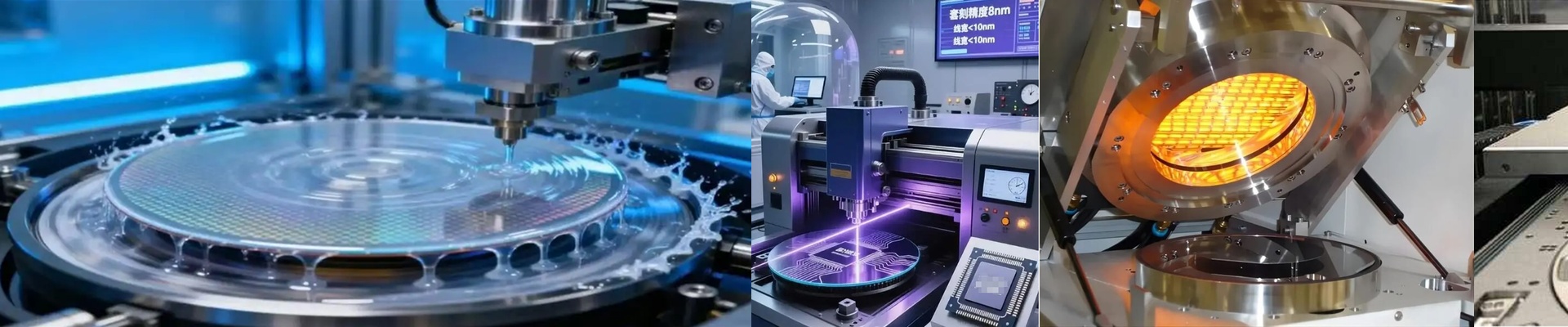
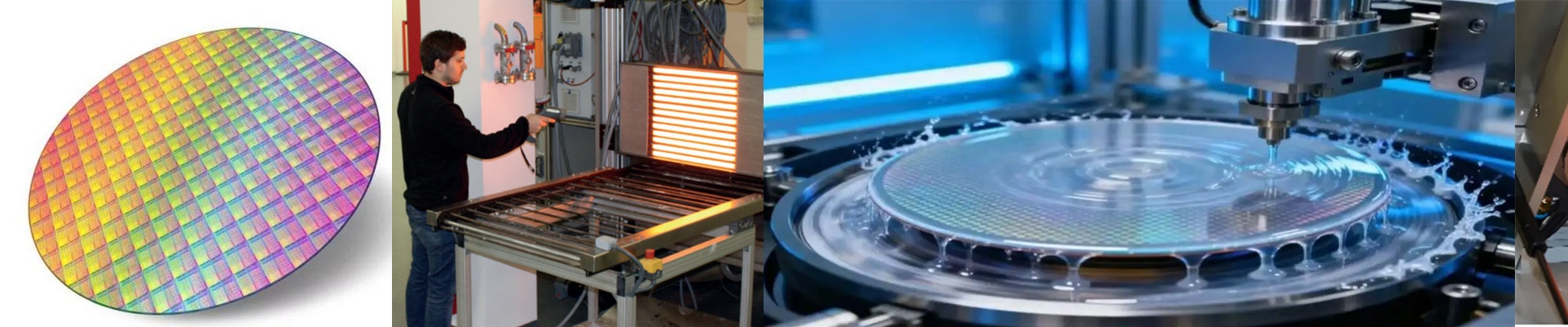
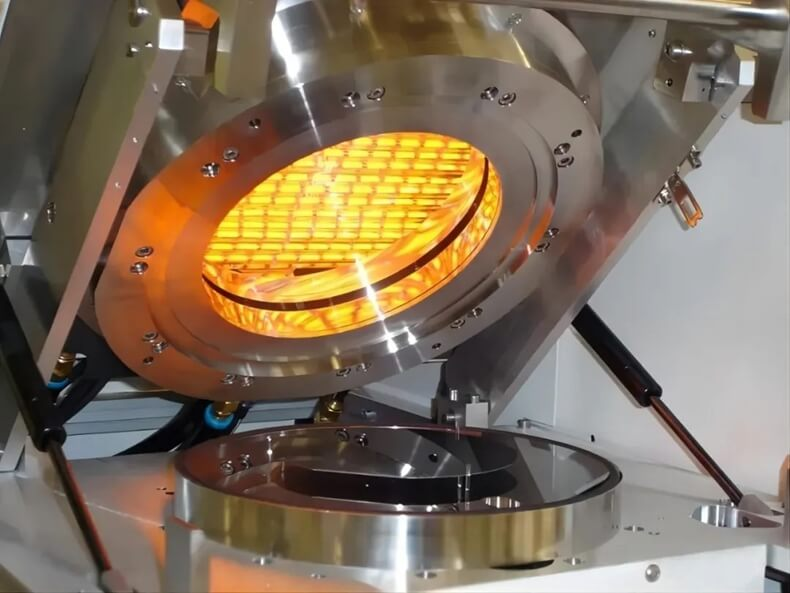
When you’re heating wafers in a Class 100 environment, there is zero room for error. One tiny flake of debris or a bit of outgassing, and your whole batch is toast. Most standard heating elements just aren’t built for this—they tend to shed microscopic particles right when you need them to be stable. That’s why we stick with high-purity synthetic quartz for our infrared lamps. It just removes that anxiety.
Why the quartz matters
We use fused silica with almost no impurities. Why? Because at high temperatures, cheap materials start reacting with the air. These quartz envelopes act like a tight seal, keeping the halogen cycle locked inside where it belongs. You get a steady light source that doesn’t mess with your air quality. Simple as that.
Getting the heat right
These lamps use short-wave radiation. Instead of wasting time heating up all the air around the wafer, the energy hits the surface directly. It’s fast. Really fast. You can hit your temperature targets almost instantly. Just a heads-up: the power density is intense. Make sure your cooling manifolds are up to the task, or you’ll risk overheating the sockets during long runs.
Setting it up
We kept the connectors standard, so these should slide right into your current setup without a headache. We also polish the quartz to a mirror finish. This isn’t just for looks—it stops particles from getting trapped on the surface. Pair these with a decent PID controller, and you’ll get that perfect, even heat across the entire wafer.
A word of caution
Here’s the catch: high-purity quartz is brittle. It handles the heat shock way better than regular glass, but it can’t take a hit. One wrong move during installation and the envelope will crack. Also,always wear gloves. The oils from your skin create hot spots on the glass, which is a fast track to burning out your lamp way sooner than you should.