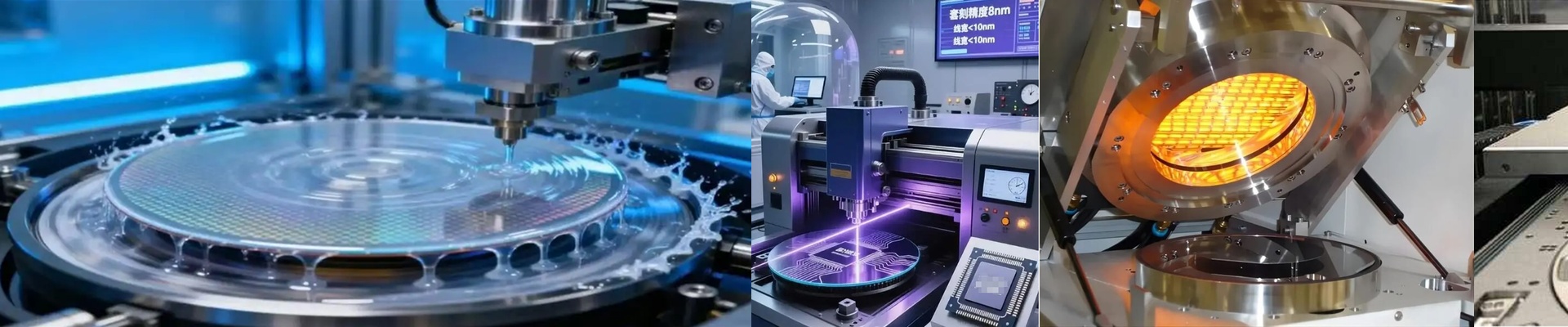

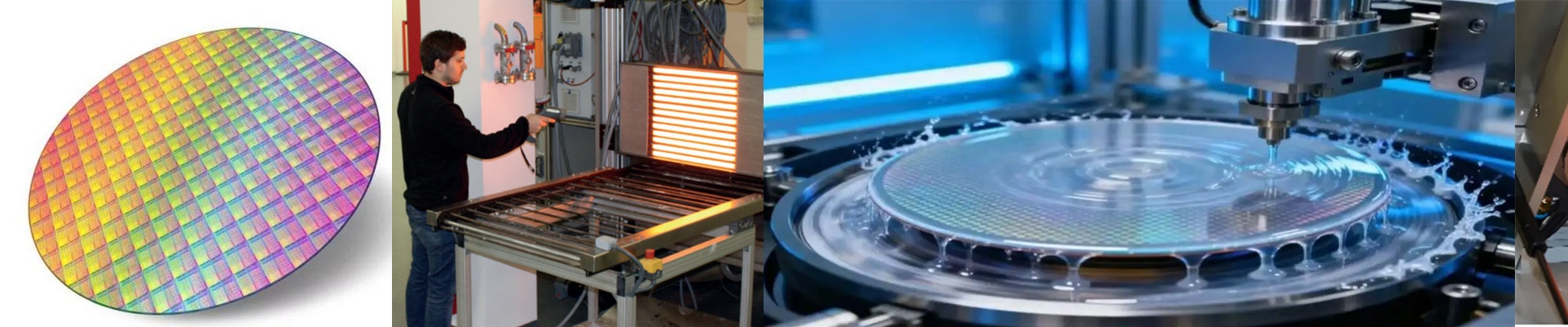
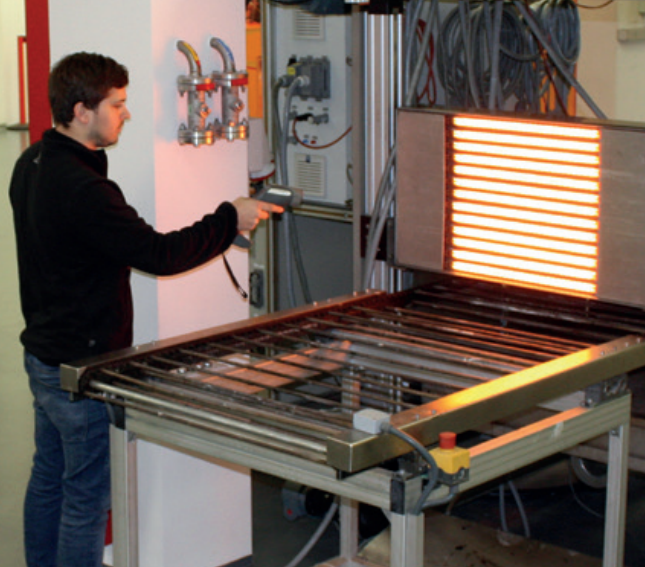
Why Your Smart Fab Needs Infrared Heating
If you’re planning out a smart Fab, you’ve probably realized that old-school convection heating just doesn’t cut it anymore. It’s too slow. Plus, moving air around in a clean room is basically asking for trouble—you don’t want particles dancing across your wafers. That’s why we use short-wave infrared (IR). Instead of heating the air, it beams energy directly into the target. No wind, no swirls, just heat where it needs to be. Getting the temperature exactly right Digital production is all about the data loop. With IR, you aren’t waiting an hour for a massive oven to warm up. These lamps hit their peak in seconds. We plug these right into your PID loops. The result? A flat, consistent heat profile across the whole substrate. It’s a huge relief when you see those scrap rates finally start to drop. Building for the clean room In a Fab, “good enough” hardware is a disaster. One tiny flake of coating or a bit of outgassing, and the whole batch is ruined. We stick to high-purity quartz and coatings that can take a beating without degrading. They’re also incredibly compact. You can tuck them into those annoying little gaps between your robotic arms and transport rails without breaking a sweat. The catch (because there’s always one) Here’s the thing: when you pack that much energy into a small space, things get hot. Really hot. If you throw in a high-wattage array but forget about your heat sinking or electronics cooling, you’re going to fry your sensors. It’s a balancing act. You have to make sure your facility’s HVAC can actually handle the heat flux you’re pumping out. At the end of the day, this isn’t just about swapping out a heater. It’s about treating heat like any other digital variable. You get real-time control and instant adjustments based on what your sensors are telling you. It just makes the whole line run leaner.