

Why Vacuum IR Heating Just Makes Sense for Your Fab
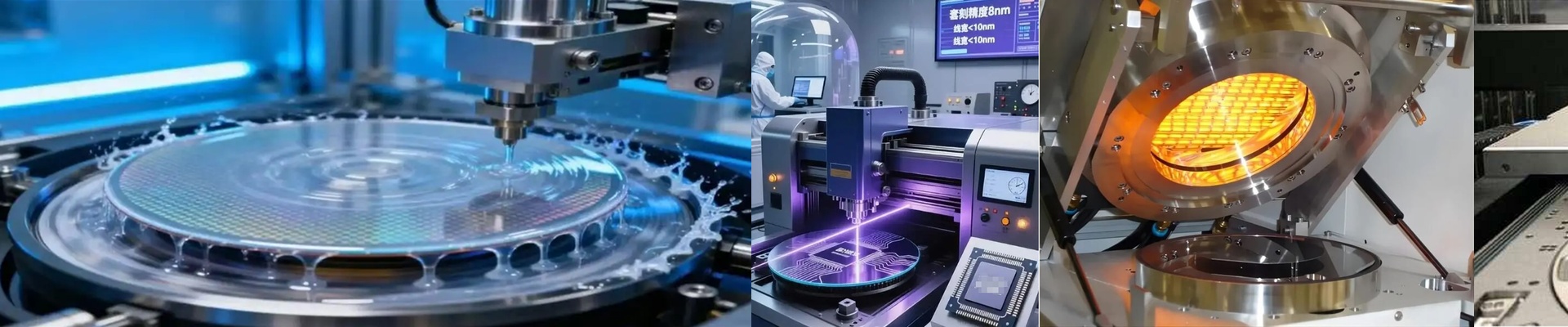
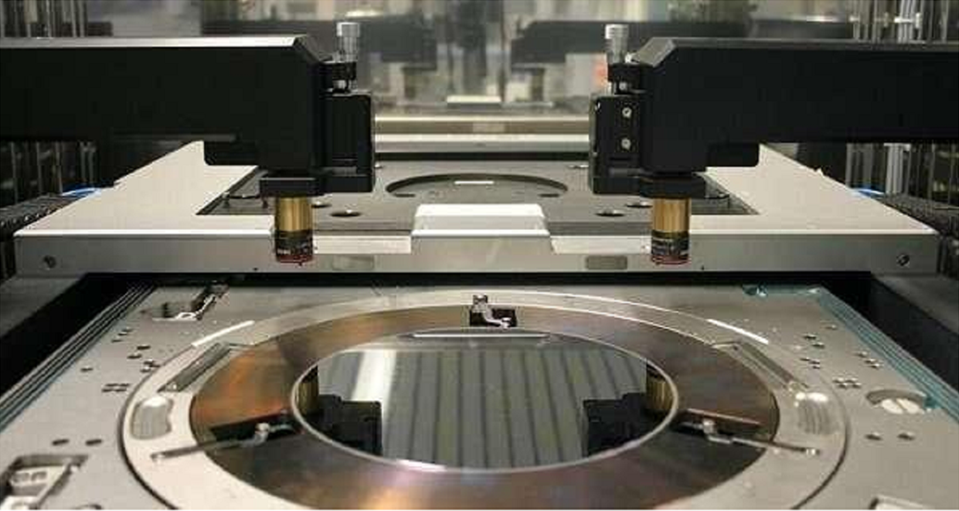
Keeping wafers clean in a vacuum is a headache. One tiny bit of contamination and your yield tanks. That’s why we’ve been moving away from those clunky old resistive furnaces and switching over to vacuum-compatible infrared (IR) heaters. It’s a smarter way to work, and it actually helps the planet by cutting out a massive amount of wasted energy.
The trick to heating in a vacuum
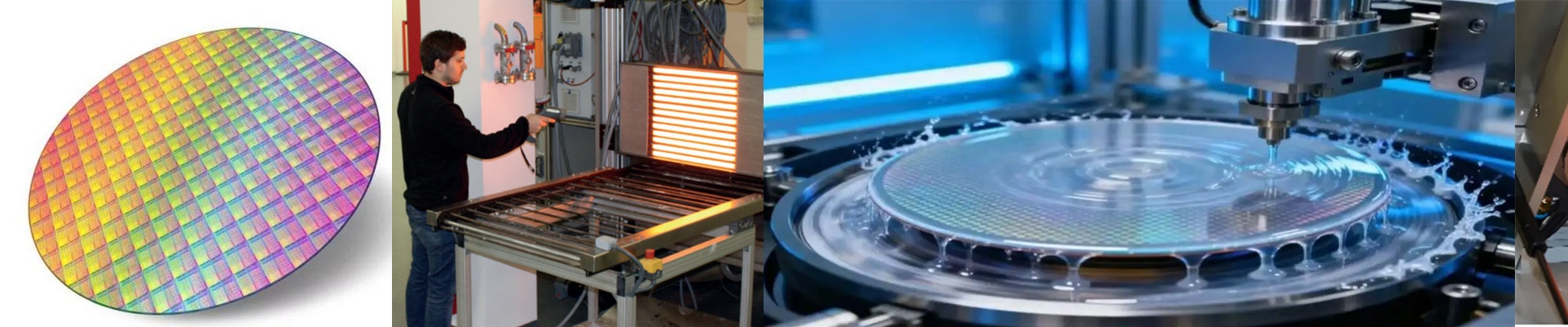
Here’s the thing: in a vacuum, convection doesn’t exist. You’re left with radiation. Instead of trying to heat up the entire steel chamber—which is basically like trying to warm up a whole room just to heat one cup of coffee—our IR systems beam high-density energy straight into the substrate. **It’s targeted.**You stop bleeding kilowatts into the walls of your machine, which means your power bill drops and your wafers get the heat they actually need.
Keeping it clean (and keeping it cool)
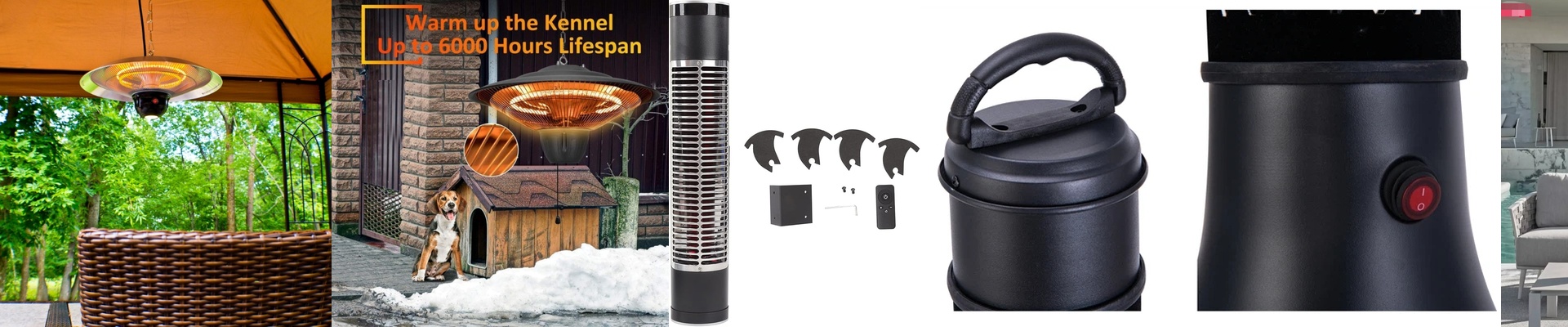
Contamination is the enemy. To stop outgassing, we use high-purity quartz envelopes and filaments that are built specifically for vacuum environments. If you use materials that aren’t up to spec, you’re just inviting impurities to ruin your batch. We stick with short-wave IR emitters because they punch through the material faster. But a word of warning: watch your cooling loops. These lamps get incredibly hot at the terminals. If your cooling isn’t beefy enough to handle that load, you’re going to end up with warped brackets or fried wiring. Not a fun day at the office.
Cutting the carbon, not the output
The real win here is speed. Resistive furnaces are slow. They take hours to ramp up and hours to cool down. IR systems? They do it in minutes. Your machines spend way less time just sitting there idling. When you look at the kWh per unit, the drop is huge. It’s a simple way to make your cleanroom greener without slowing down your production line. If you’re staring at old heating elements and wondering how to hit your decarbonization goals, just swap them out for these. It’s a straightforward fix.