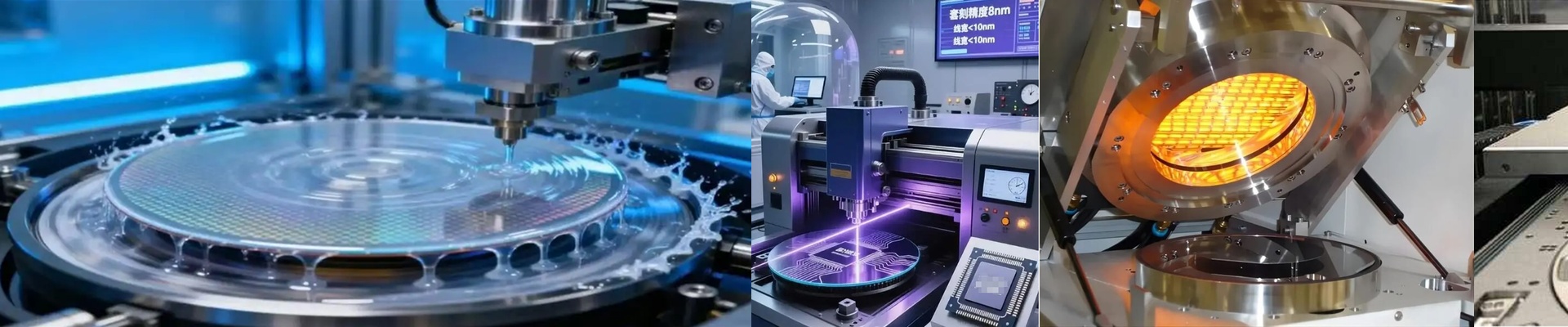

Why We Use Infrared Curing for Lead-Free Packaging
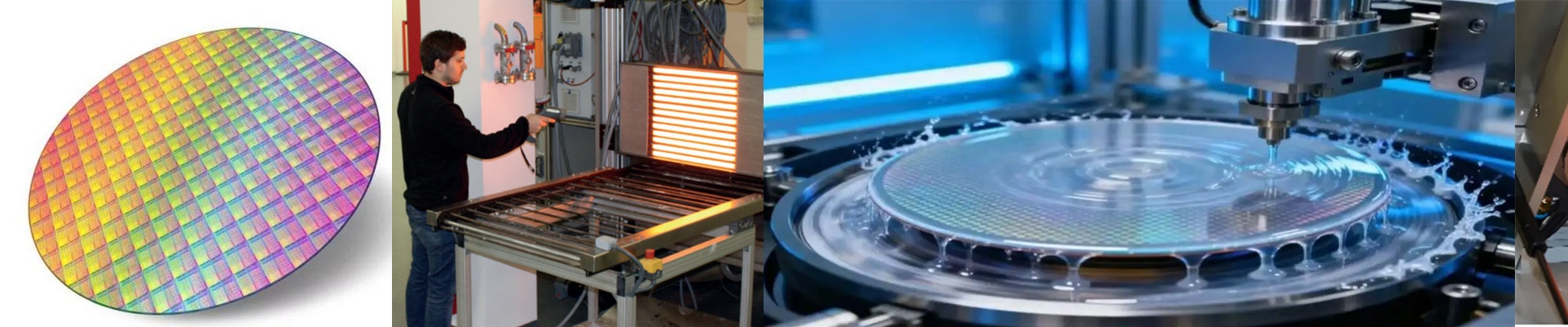
When you’re dealing with smart sensor packaging, you’re walking a tightrope. You need enough heat to cure the adhesives and lock the chips in place, but if you go overboard, you’ll fry the silicon. That’s why we stick with infrared (IR) curing. Unlike those big convection ovens that try to heat up every single cubic inch of air, IR works through radiation. It doesn’t bother with the air—it just hits the substrate and the packaging material directly. It’s a much cleaner way to work. Standard ovens are slow. You’re basically waiting for a giant box of air to get hot, which wastes a ton of energy. IR lamps are different. They send out electromagnetic waves that sink right into the packaging material, creating heat from the inside out. This is a lifesaver for lead-free soldering. Lead-free stuff is finicky. It has higher melting points and a tiny window of time where it actually works. If you aren’t fast, you end up with “cold joints” or a board that’s been baked into a crisp. With IR, you hit your target temperature almost instantly. Plus, it’s way better for the planet (and your electric bill). Since the heat transfer is direct, the system warms up in seconds. No more waiting hours for an oven to prime. We also get to ditch the ozone-generating heaters and those nasty solvent-based drying agents. It keeps the cleanroom air actually clean, which fits right in with the “green” push in the semiconductor world. But look, IR isn’t some magic button you just press. You have to be careful. You can’t just throw any lamp at any resin. You’ve got to match the lamp’s wavelength to how the resin absorbs heat. If you get that wrong? You’ll scorch the surface while the middle is still wet. The conveyor speed is just as critical. If a board hangs out under a high-wattage array for a few seconds too long, the whole substrate will warp. It takes a bit of tinkering with the thermal profiling to get it right, but once you do, it’s the only way to make sure your parts come out perfect every time.