
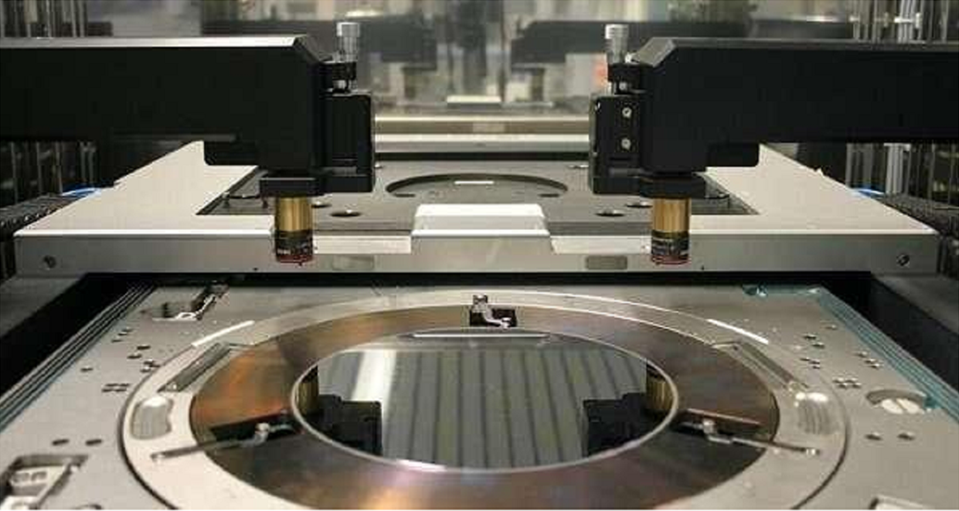
Stop Worrying About Your IR Heaters in Chemical Zones
If you’re making bio-sensors, you know the drill. You need precise IR heat during the chemical cleaning phase, but you’re working with solvents that basically want to explode if they see a spark. Using a standard, open-element IR lamp in that environment isn’t just risky—it’s a disaster waiting to happen. That’s why we build our heating systems with a heavy focus on encapsulation. We keep the heat where it belongs and the fumes far away from the electronics.
Keeping the Bad Stuff Out
Here is how we handle it: we wrap the hot filament in a hermetically sealed quartz envelope. But we don’t stop there. Quartz can get etched by caustic cleaning agents, so we add a chemical-resistant coating to protect the glass. For the lead-in wires, we use high-temperature epoxy or ceramic gaskets. It’s all about creating a physical wall. If a seal fails in a room full of volatile vapors, you’re looking at a flash fire.**We don’t take chances.**That’s why we vacuum-test every single tube before it leaves the shop.
Staying Stable When Things Get Messy
Staying stable in a harsh environment comes down to two things: what it’s made of and how it handles heat. We use shortwave IR emitters. They ramp up fast. This is great because it means your chemicals spend less time being baked, which keeps the whole process cleaner. Plus, the lamps sit in reinforced casings so a random splash of solvent doesn’t hit the electrodes. Now, you have to find a balance. Sure, a high-wattage lamp kills your cycle times, but it also makes the housing get incredibly hot. You’ve got to make sure your ventilation can keep those vapors below the Lower Explosive Limit (LEL). If your airflow is a bit weak, just dial back the wattage. It’s better to have a slightly slower process than a hotspot.
Getting It Onto Your Line
We designed these lamps to be drop-in replacements. You don’t need to rebuild your entire fabrication line to use them. By swapping out your old units for these encapsulated ones, you stop worrying about electrical arcing. No more nervous glances at the solvent fumes. No more constant safety shutdowns. Just a line that actually stays running.