
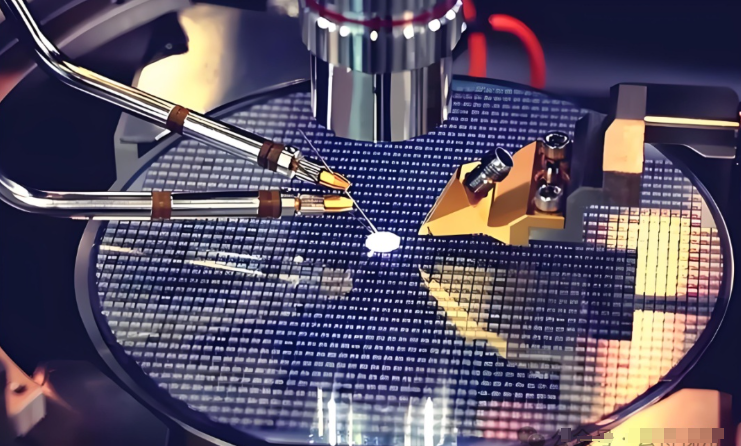
Cutting Carbon in MEMS Wafer Drying
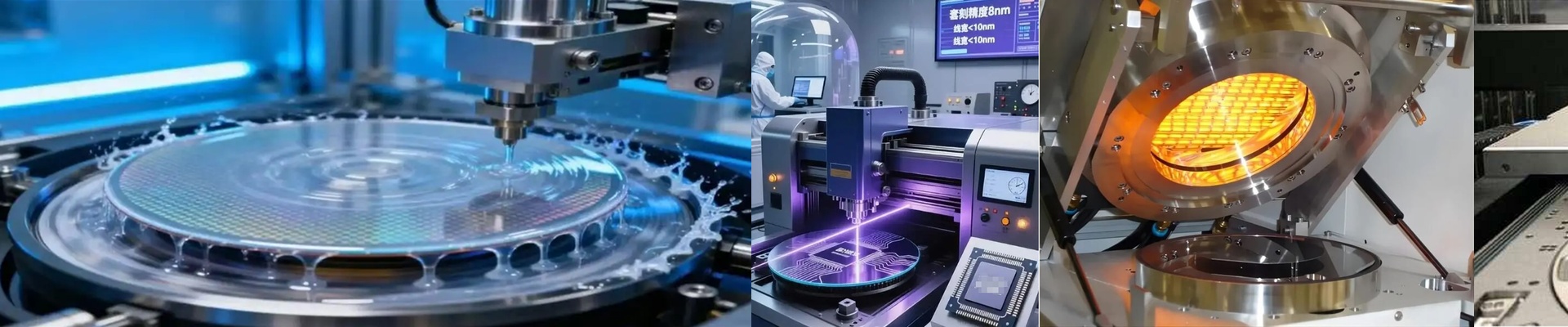
We’ve been swapping out those old, clunky convection ovens for infrared (IR) heating lamps when drying our MEMS sensor wafers. The goal is pretty straightforward: get the water off the wafer faster and stop burning so much power. If you’ve ever worked in a fab, you know how much energy it takes to heat up a massive volume of air just to dry a tiny piece of silicon. It’s a waste. Moving toward a “Green Factory” really just means stopping that waste.
How the IR stuff actually works
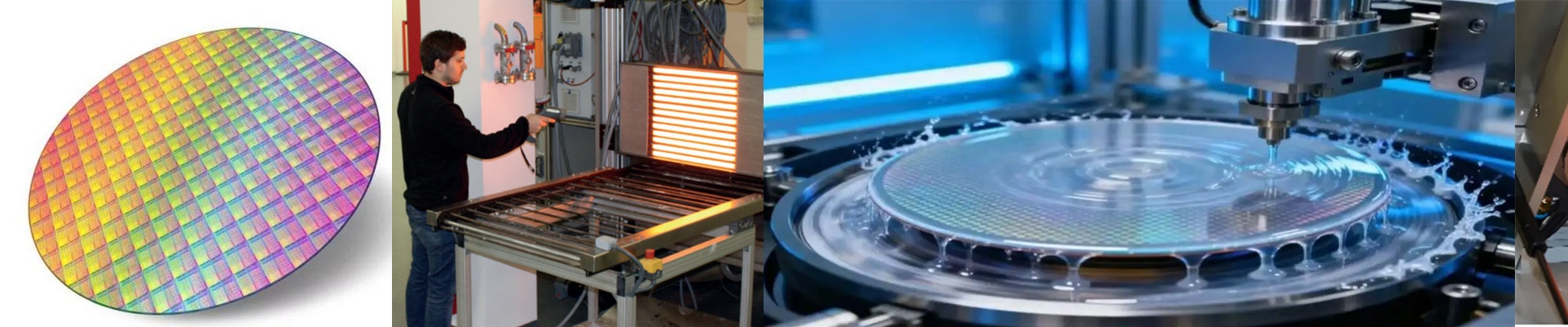
Think about it this way: traditional drying heats the whole room. IR lamps just go for the wafer. We use short-wave IR emitters because they slice right through the moisture layer. It triggers evaporation almost instantly. We’re talking about dropping the cycle time from minutes down to seconds. Plus, the lamp only pulls power when it’s actually pulsing. No more paying for heaters to sit there idling all day.
The tricky parts
It’s not all plug-and-play. To get the heat density we need for MEMS, we have to use high-wattage quartz lamps. These things have to be tough; they go from cold to scorching hot and back again constantly without cracking. We also use special coatings so the heat hits the wafer, not the tool chassis. You don’t want your equipment melting while you’re trying to dry a part. And a heads-up on the power: these IR arrays can cause some pretty nasty current spikes when they kick on. If your electrical panel isn’t ready for that, you’re going to be tripping breakers all morning. Then there’s the “hot spot” problem. If the lamps aren’t positioned perfectly, you get uneven drying. We fixed this by tweaking the reflector shapes to spread the heat evenly across the 200mm or 300mm surface.
Why it matters for the planet
At the end of the day, this is about the carbon footprint. By slashing the total energy used per wafer, we’re making a real dent in our emissions. We don’t need those massive ventilation systems to suck out all that wasted hot air anymore. Less power, less CO2. It’s a simple, direct way to make the drying stage of the MEMS process a lot cleaner.