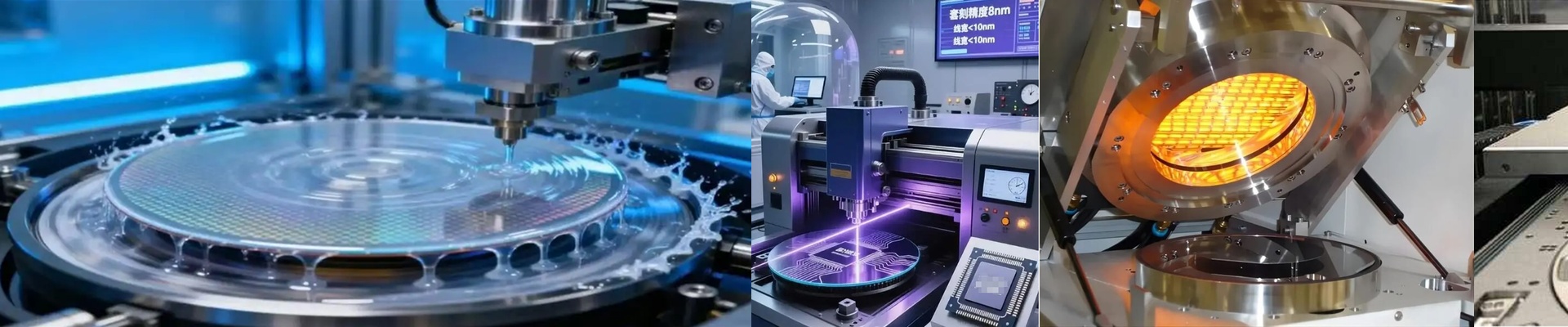
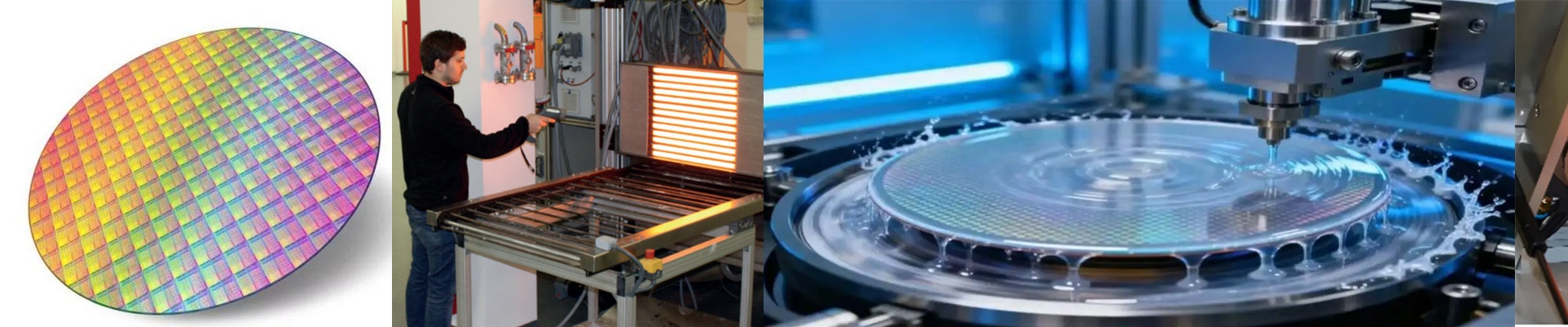

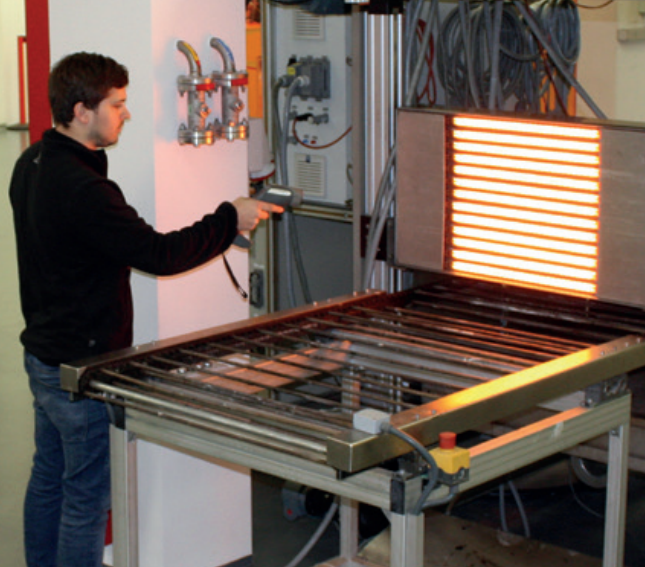
Why we use Infrared Curing for Biosensors
When you’re building biosensors, heat is a tricky thing. You need it to cure your adhesives and substrates, but if you overdo it, you’ll fry the biological layers you spent hours prepping. It’s a delicate balance. That’s why we stick with shortwave infrared (IR) lamps. Instead of heating up a giant oven and hoping the heat reaches the part, IR sends energy straight into the material. It’s direct. It’s efficient. The physics part is actually pretty simple. Traditional ovens spend way too much time heating up the air around the product. It’s a waste. IR lamps are different—they emit radiation that the polymers in biosensor chips just soak up. You get a much faster ramp-up. No more waiting around for the oven to reach temperature. Plus, since the lamps don’t actually touch the parts, you don’t have to worry about cross-contamination. And here is the best part: you can ditch the nasty solvent-based carriers and heavy-metal catalysts. The radiation does the heavy lifting, triggering the chemical cross-linking on its own. It’s cleaner for everyone. Now, it’s not all magic. There are some trade-offs. Because IR lamps pack so much heat into a small area, you can actually shrink your curing tunnel by about 60%. That’s a lot of saved floor space. But you have to be careful. If your substrate thickness varies, you might end up with “hot spots” that ruin the wafer. You can’t just plug them in and walk away; you’ve got to spend some time dialing in the reflectors and the gaps to make sure the heat is spread evenly. Keeping things running We designed the system so you aren’t fighting with it. When a lamp finally burns out, you don’t have to dismantle the whole machine. You just pull the tube, check the connectors for any gunk or oxidation, and pop in a new one. Simple. Switching to IR also means you can stop dealing with those bulky VOC scrubbing systems that old-school solvent drying requires. Your power bill goes down, and the air in your cleanroom actually stays clean. It’s a simple shift: stop heating the air, and start heating the product.