
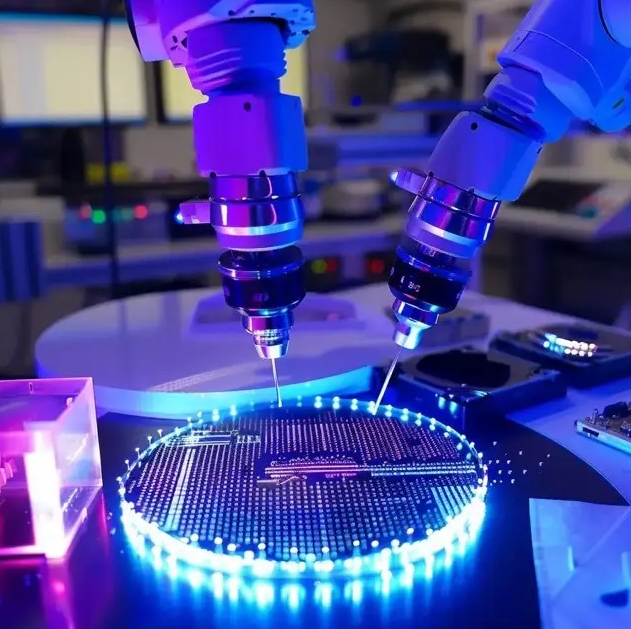
Why we switched to IR heating for CNTs
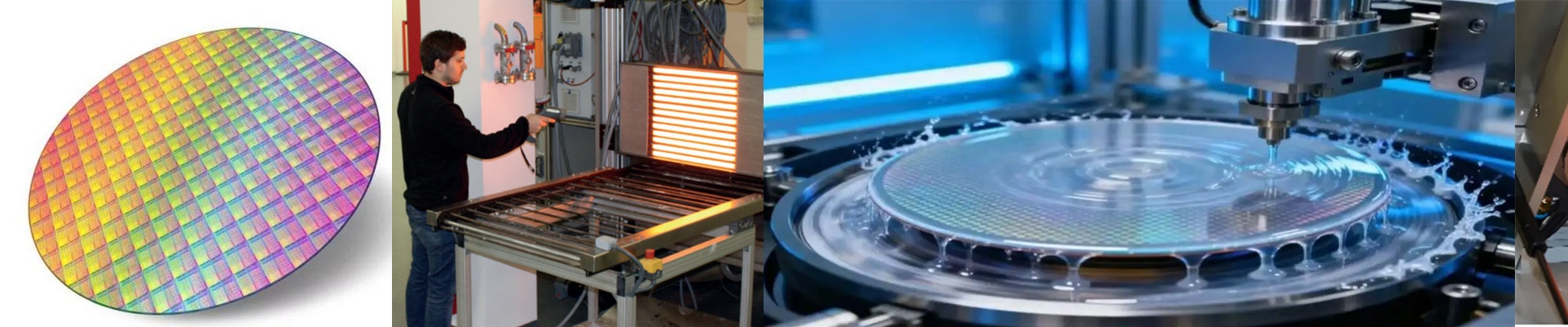
When you’re growing carbon nanotubes, everything comes down to heat. If your thermal control is off, your catalyst doesn’t activate, and your carbon deposition fails. Simple as that. For a long time, everyone just used traditional resistive furnaces. But those things are basically giant ovens that waste a ton of energy heating up air you don’t even need. We decided to ditch them for shortwave infrared (IR) systems instead. Speed is everything. Here’s the thing: the quality of your nanotube forest depends on how fast you ramp up the temperature. With IR lamps, the heat is radiant. It hits the target directly. We’ve tuned these systems for high power density, which means we hit our target temperatures in seconds. Not minutes. Seconds. It makes the whole process feel snappier and cuts down the energy draw per wafer. Your thermal footprint just shrinks. Getting the waveband right We use quartz-halogen tech to keep the energy in the shortwave spectrum. Why? Because shortwave IR actually sinks into the substrate. Longwave heat just bounces around or sits on the surface. This lets the catalyst layer get hot enough to work without turning the entire reactor housing into a furnace. We sometimes use coated quartz to fine-tune that emission. It costs a bit more upfront, and you have to be careful not to scratch the surface, but it’s worth it for the precision. The real-world trade-offs Now, it’s not all plug-and-play. You have to rethink your shielding. Since IR lamps create such intense, localized heat, your cooling jackets need to be up to the task. If you skimp on the cooling, you’ll start seeing your temperature setpoints drift, and that’s where the headaches start. But once you’ve got that dialed in, these units just slide right into existing fab lines. You stop wasting time on “soak time”—that annoying period where you’re just waiting for a big oven to get warm. It’s just basic physics. Less wasted heat means a cleaner, greener factory.