
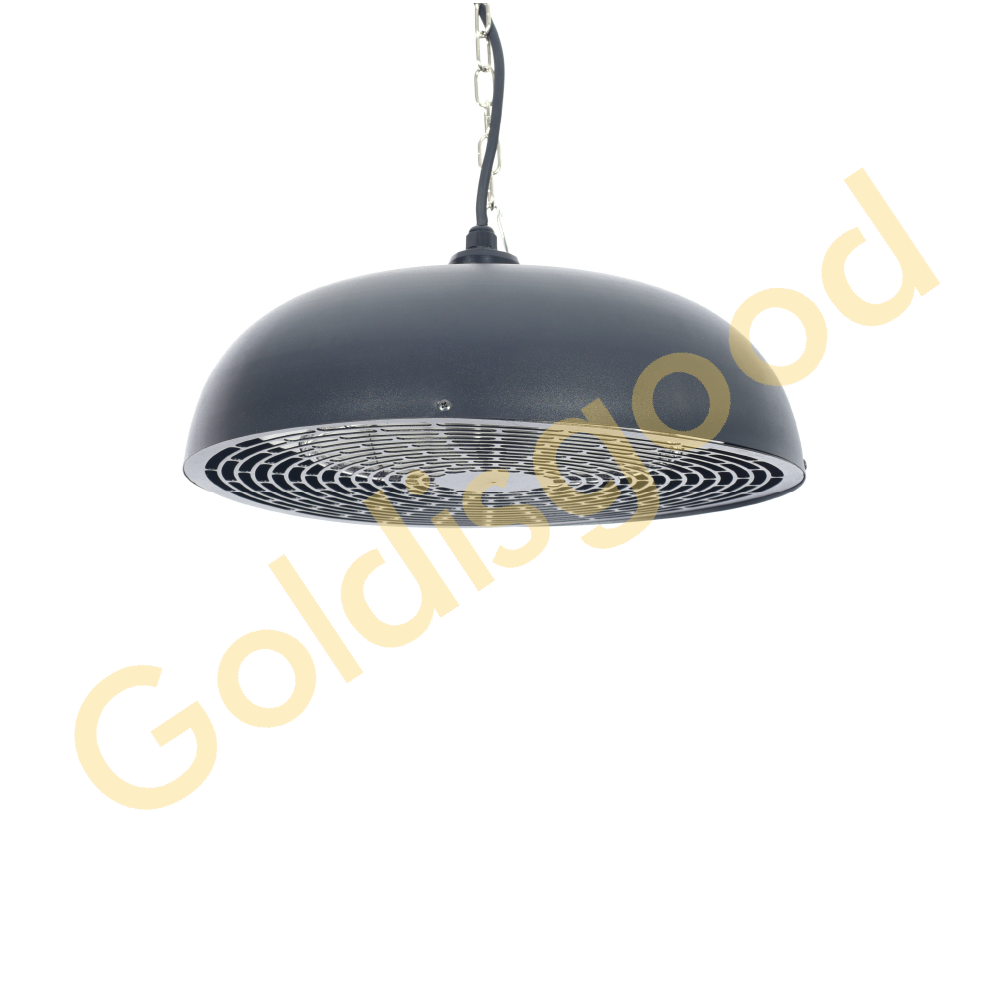
Why your old bathroom heater keeps dying (and what to do about it)
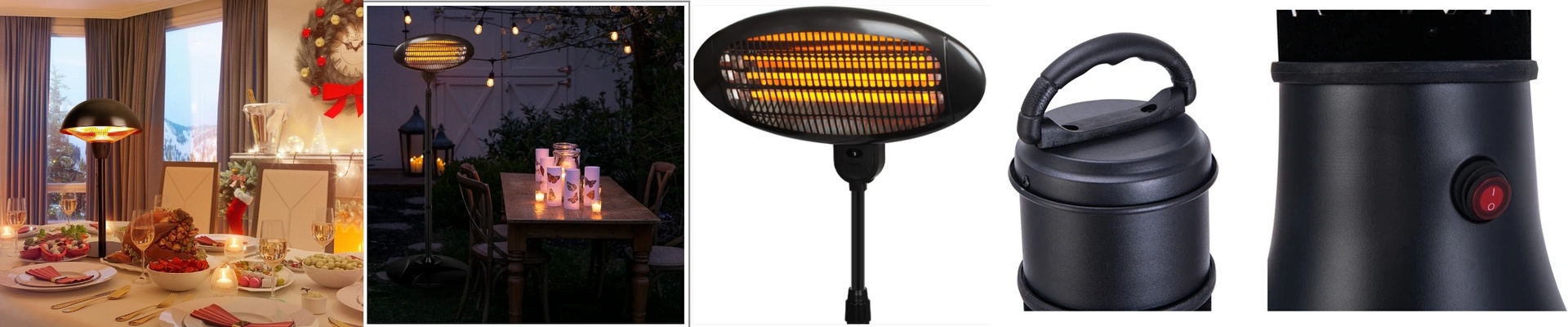
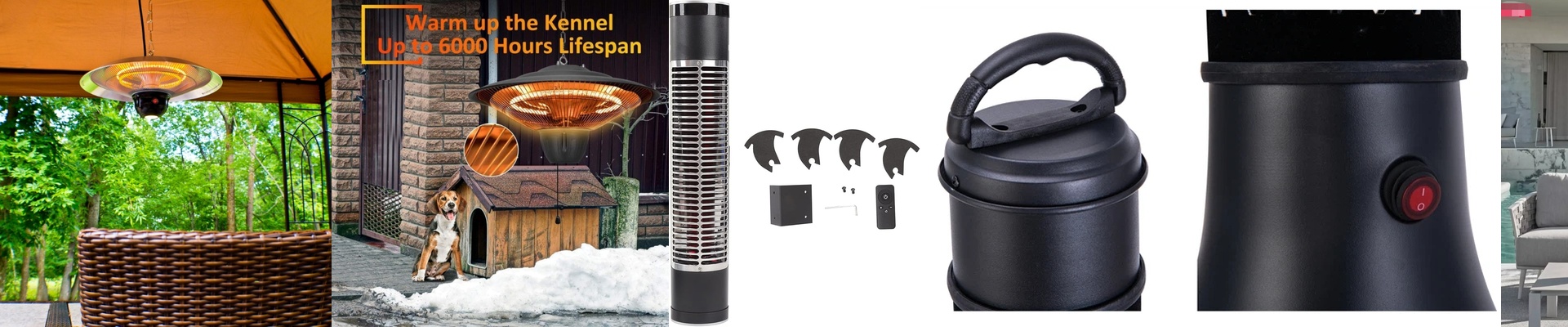
Let’s be honest: those old-school bathroom lamp heaters are kind of a joke. They usually rely on basic quartz tubes that aren’t really sealed. In a room full of steam, that’s a recipe for disaster. They just aren’t built for the environment they live in, which is why they tend to burn out right when you need them most. That’s why everyone is moving toward IP65 infrared heaters. They actually handle the physics of a steamy bathroom without shorting out. The battle against steam Here is the thing about “IP65.” It sounds like technical jargon, but it basically just means the unit is tight. No dust gets in, and water can’t just spray inside. But the real enemy in your bathroom isn’t a splash of water—it’s the condensation. Standard heaters let that damp air seep right into the electrical terminals. Once that happens, everything starts to corrode. By sealing the housing and the cables, we keep the internals bone-dry. Your heating element doesn’t oxidize, and the whole thing just… lasts. Heat you can actually feel Most heaters try to warm up the air. But in a drafty bathroom, that warm air just floats away. Infrared is different. It sends heat directly to your skin and the surfaces around you. It’s instant. You don’t have to stand there shivering for ten minutes waiting for the room to warm up; you feel it the second you flip the switch. Plus, we use specific wavelengths so the heat cuts right through the humidity instead of getting trapped in the steam. A few things to keep in mind Now, there are a couple of trade-offs. First, these units pull more power than a simple light bulb. You’ll want to make sure your wiring and circuit breakers are up to the task. If you plug a heavy-duty heater into a weak circuit, you’re going to be tripping your breaker all winter. Not a great way to start your morning. Also, they’re a bit bulkier. All those waterproof gaskets and reinforced casings take up some extra space. But look at it this way: you lose a tiny bit of room, but you stop replacing your heater every two years. That feels like a fair trade.