
Why We’re Moving to IR Curing for Semiconductor Drying
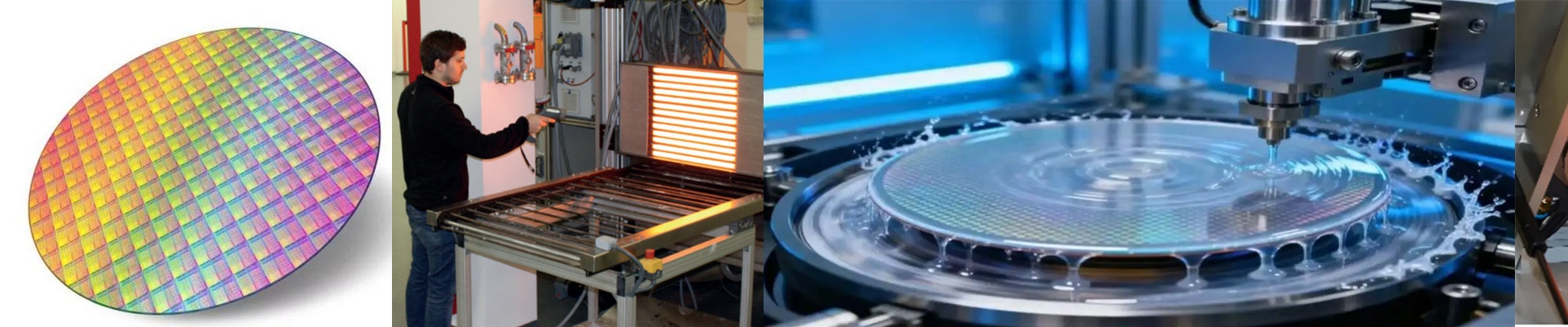
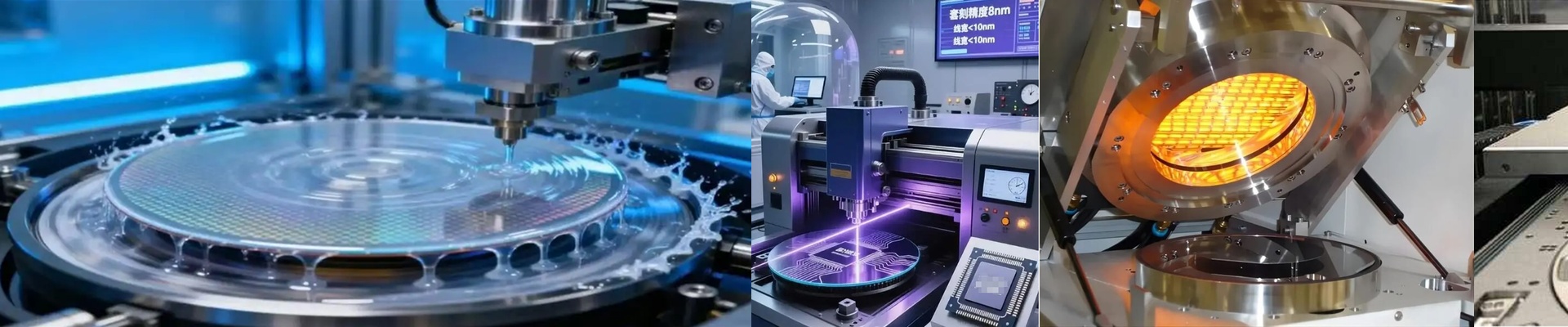
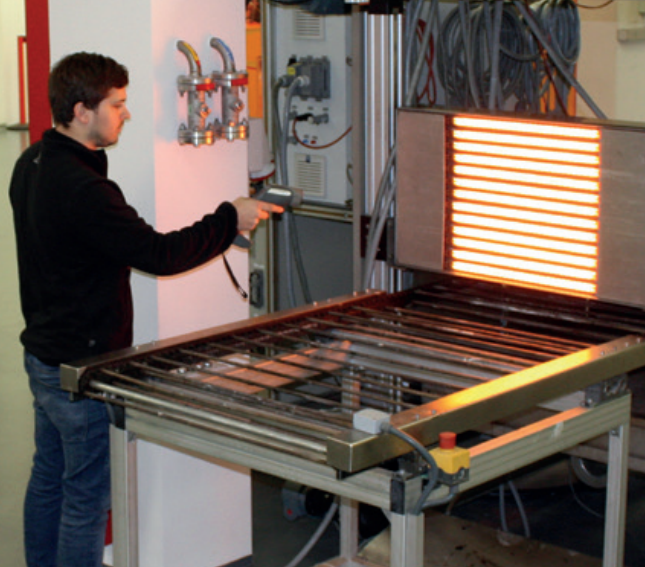
Let’s be honest: those old-school convection ovens are starting to feel like relics. Between the new zero-emission rules and the push for lead-free materials, the industry is shifting. A lot of us are moving toward infrared (IR) curing, and for a good reason. Instead of heating up a whole room just to dry a few parts, IR goes straight for the substrate. It’s all about the energy. Think about how a traditional oven works. You’re heating the air, which then heats the walls, which then—eventually—heats your part. It’s a lot of wasted heat. IR is different. It uses electromagnetic radiation to get those molecules moving instantly. No waiting around for a chamber to preheat. No wasting power on the air around the part. In the real world, that usually means cutting your energy bill by 30% to 50%. That’s a massive win. Handling lead-free materials without the stress Working with lead-free solders and adhesives can be nerve-wracking. If you get the temperature wrong, you risk frying those delicate silicon dies. The beauty of IR is the control. You can tweak the wavelength—short or medium—to hit the exact spot your material needs. You get a fast ramp-up in temperature, but you aren’t “over-cooking” the edges of the wafer. It’s a much gentler way to get the job done quickly. The catch (because there’s always one) Now, it’s not a magic wand. IR puts a lot of heat in a very small area. If your conveyor belt is moving too slow, or if your lamp wattage is cranked too high, you’ll burn right through your parts. You’ve got to be smart about your sensors and PID controllers. They need to be fast enough to catch those thermal spikes before something goes wrong. Winning back your floor space The best part? The footprint. You can rip out a massive, clunky oven and replace it with a compact IR tunnel. Suddenly, you actually have room to breathe in your cleanroom. Maintenance is a breeze, too. No more hunting for ducting leaks or scrubbing clogged filters. When a lamp finally dies, you just pop it out and drop a new one in. Your line keeps moving, and you get to go home on time.