
Stop Losing Money to Cold Patios
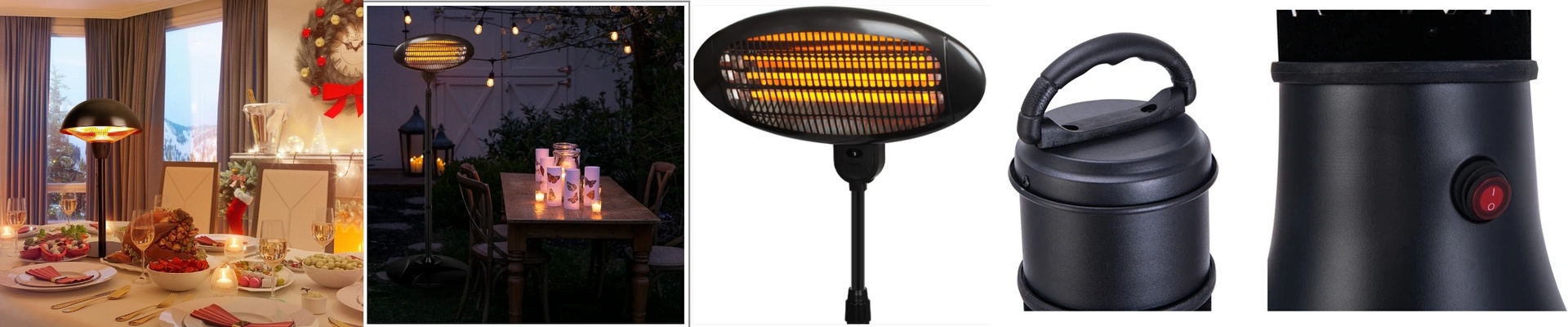
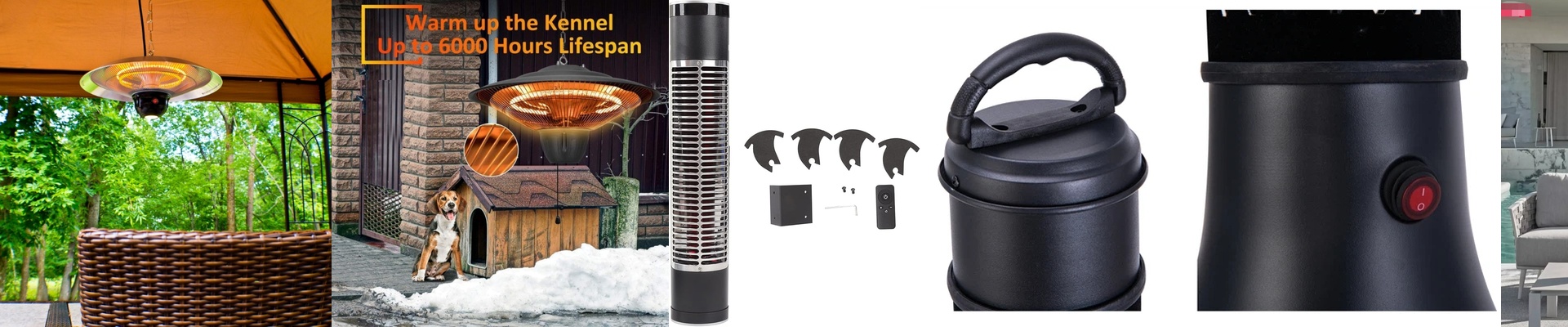
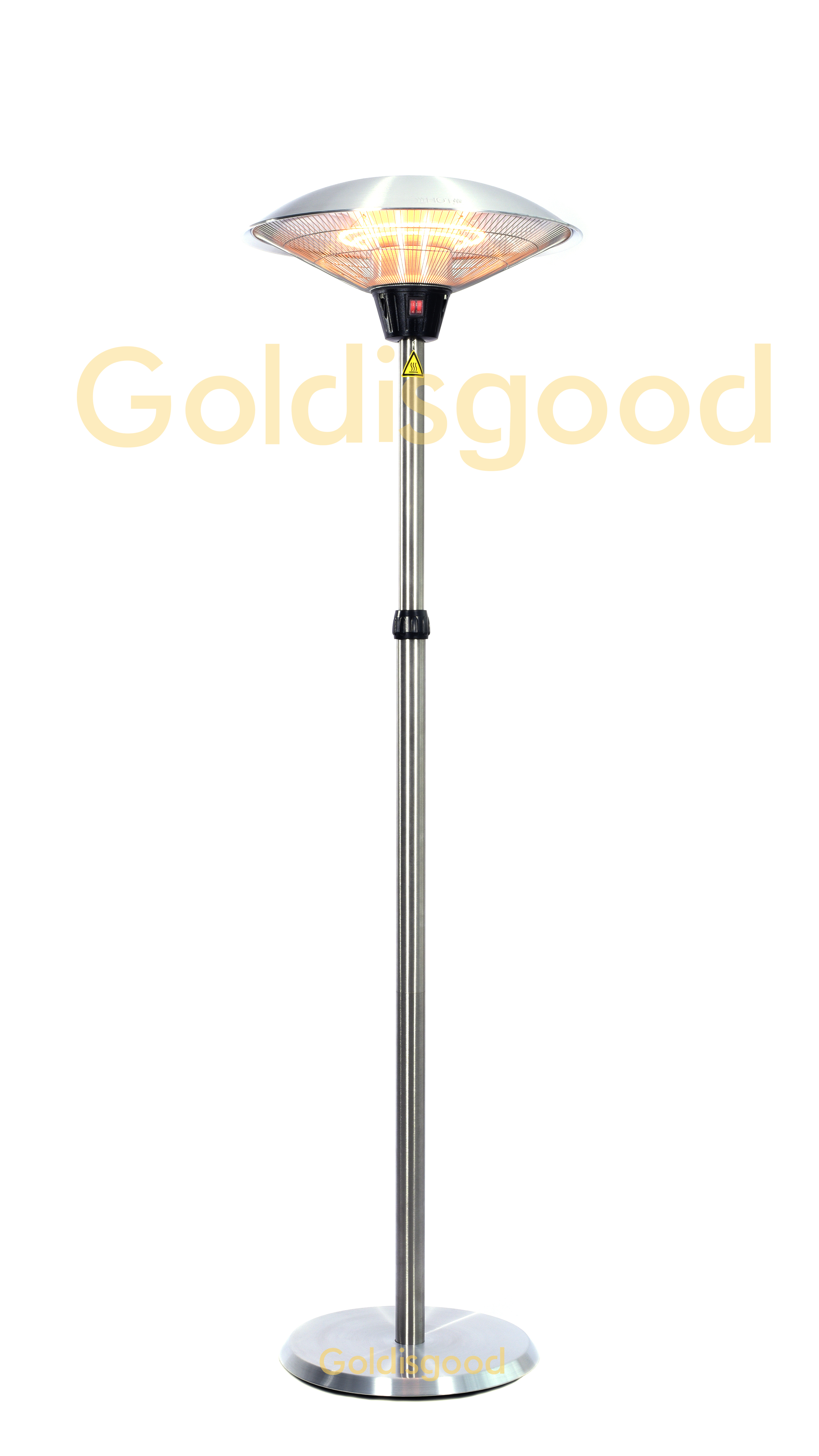
Let’s be honest: winter is a nightmare for open-air dining. You’ve got these great outdoor spaces, but as soon as the temperature drops, they become ghost towns. Most people try to fight this with standard heaters, but here’s the problem—heat rises. In an open space, that warm air just floats away or gets ripped off by a light breeze. You’re basically paying to heat the sky. We do things differently. We use high-ceiling shortwave infrared heaters. Instead of trying to warm up the air, these beam heat directly onto your guests and their tables. It feels more like standing in the sun on a crisp October day.
The Trick to High Ceilings
If your ceilings are high—say, 4 to 6 meters—a cheap, low-wattage lamp isn’t going to do a thing. By the time the heat reaches the table, it’s gone. That’s why we use high-density shortwave emitters. They travel further without fading out. We don’t just guess where they go, either. We map out the “thermal footprint” of your space so your guests feel a cozy, immediate warmth without the person sitting directly under the lamp feeling like they’re being toasted.
More Comfort, More Revenue
It’s simple math. Cold patios mean empty chairs. When your guests actually feel warm, they stop checking their watches. They don’t rush through their entrees just to get inside. They stay for that second bottle of wine or a round of desserts. You’re turning “dead space” back into your most valuable real estate, even during those awkward shoulder seasons. And you don’t have to run them at full blast all day. You can set up zoned controllers to dial things back during a mild afternoon and crank them up the second the sun dips.
A Heads-Up on the Electric
Here is the part where you need to be careful. These high-powered arrays pull a lot of juice. You can’t just plug these into a wall outlet and hope for the best. If your wiring is too thin or your panel is outdated, you’re going to trip a breaker right in the middle of a Friday night rush. Do yourself a favor: get a contractor to check your electrical panel and make sure they’re using the right gauge wire for the distance. It’s a boring detail, but it’s the difference between a cozy dinner and a dark restaurant.