
Stop Heating the Air: A Smarter Way to Run Your Cleanroom
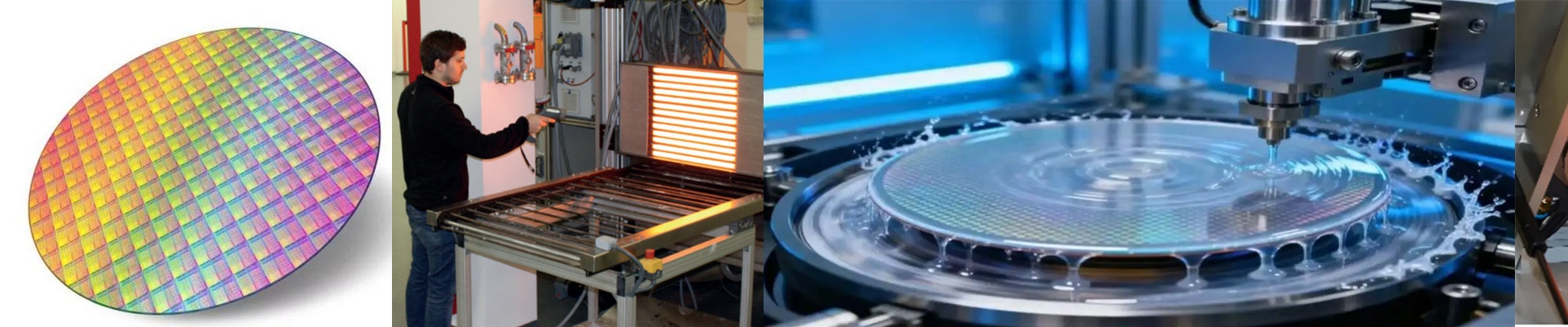
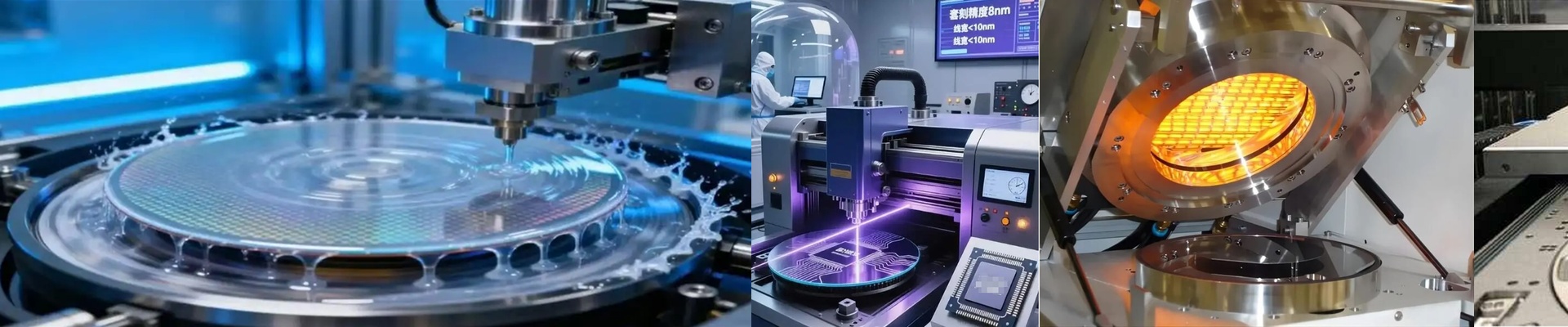
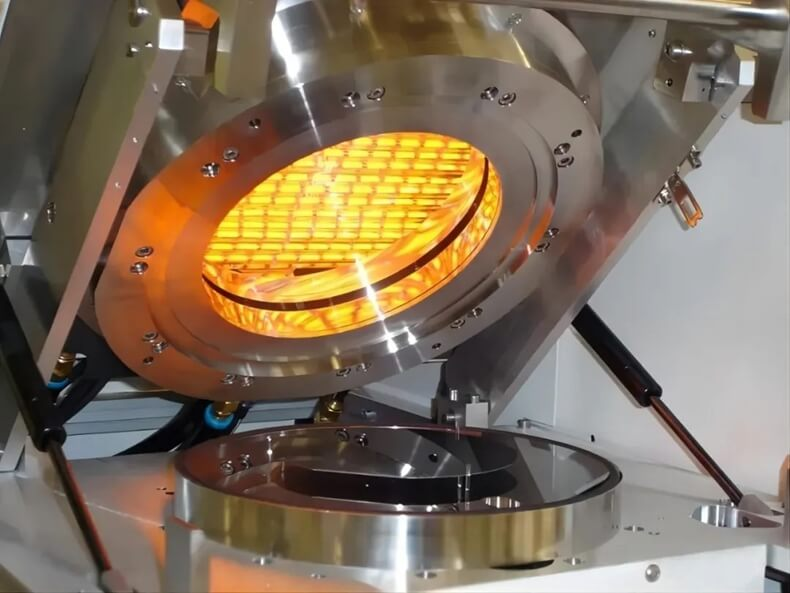
If we’re actually going to hit those carbon neutrality goals in semiconductor fab, we have to stop relying on old-school convection ovens. Think about it: those things heat up the entire chamber—the air, the walls, everything—just to get a wafer to the right temperature. It’s a massive waste of power. That’s where IR heating comes in. Instead of warming up the whole room, we use infrared to beam energy directly onto the wafer. It’s cleaner, leaner, and stops the energy waste that makes a factory’s carbon footprint blow up. How it actually works IR lamps focus the heat right where it belongs. You can ditch those giant air-circulation fans and the bulky heating elements that eat up electricity. The cool part? We can tweak the wavelengths to control exactly how deep the heat goes. You aren’t wasting energy heating the machine’s chassis just to reach a surface temperature. Plus, it ramps up fast. Really fast. That means less time spent idling and more time actually processing parts. The tricky bits Now, you can’t just throw some heat lamps in a cleanroom and call it a day. Particle contamination is a nightmare, so we use quartz envelopes and specific coatings to make sure nothing “gasses out” when things get hot. Also, keep an eye on your cooling. High-wattage IR lamps pack a punch, and they create a lot of localized heat. If your cooling manifold isn’t beefy enough to handle that soak, your frame will heat up and you’ll start seeing thermal drift. It’ll mess with your process window, and nobody wants to deal with that. What this means for the floor At the end of the day, the energy draw per wafer just drops. Your equipment takes up less space, too, because you don’t need those massive, insulated oven shells taking up half the room. For the engineers, it’s a pretty easy win. You hit those “Green Factory” targets without slowing down production. You get faster cycles, lower kWh per unit, and a lot less stress on the power grid.