
Getting Thermal Feedback Right in IR Semiconductor Heating
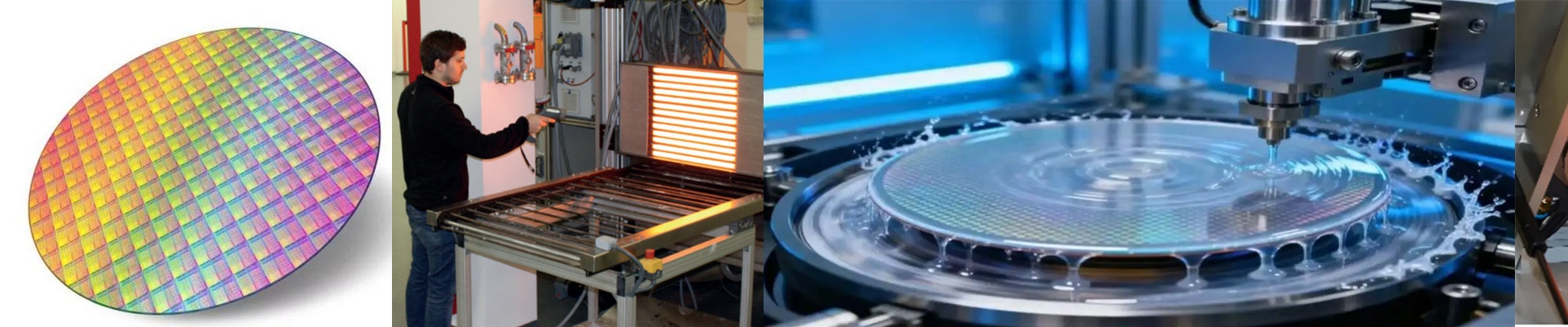
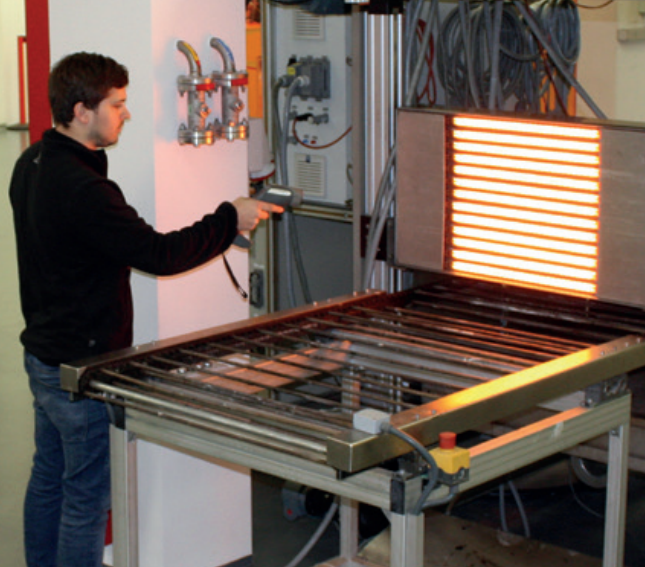
If we actually want to shrink the carbon footprint of semiconductor fabs, we have to stop relying on those old-school resistive ovens. They’re energy hogs. Switching to Infrared (IR) heating lamps is the way to go because they hit the wafer directly instead of heating up the entire room. But here’s the catch: you can’t just flip a switch and hope for the best. If you run these systems blind, you’re asking for trouble. To hit those tiny thermal windows without frying your lamps, you need a thermocouple setup that can handle rapid temperature swings and a high-vacuum environment without breaking a sweat.
The struggle with “Thermal Lag”
When we move to a green-factory setup, we use IR lamps to get the heat up fast. It’s great for speed, but it creates a annoying problem called thermal lag. If your sensor is too bulky, it’s slow. It lags behind the actual temperature of the wafer. By the time the sensor realizes it’s too hot, you’ve already overshot your target. Now you’re wasting energy and, worse, you’re tossing expensive wafers in the scrap bin. To fix this, we go with thin-wall sheathed thermocouples—usually Type K or N. Keeping the thermal mass low means the PID controller gets a reading in real-time. We also use mineral insulation so the signal doesn’t start drifting when things get scorching.
The messy reality of integration
Putting these sensors into a heater isn’t always pretty. You’ve got IR power supplies kicking out electromagnetic interference (EMI) everywhere. If you aren’t careful, that noise will make your readings spike and dive. We use twisted-pair, shielded extensions to keep the signal clean. It just works. But there’s a trade-off. Thin probes are fast, but they’re fragile. They take a beating in high-heat zones and wear out way faster than the heavy-duty stuff. You can’t just “set it and forget it.” You have to build sensor replacements into your maintenance schedule, or you’ll deal with drift.
Why this actually matters for the planet
When your sensing is spot on, you can run those lamps at the absolute minimum wattage needed. No more overshooting. No more wasted heat. It turns a basic heater into a precision tool. You’re using fewer kWh per wafer, and your cooling system doesn’t have to work nearly as hard. Everything just runs leaner.