

Keeping Your Semiconductor Trolley Heaters from Becoming a Fire Hazard
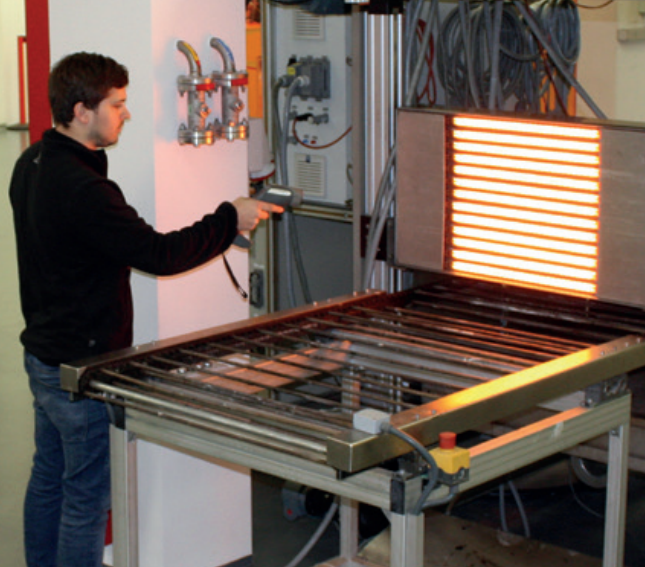
If you’re running clean room trolleys for chemical cleaning, you already know the deal. You’re working around flammable solvents and explosive vapors. It’s a high-stakes environment. One wrong spark, and you’ve got a massive problem on your hands. That’s why we don’t just throw a standard heating lamp into these rigs. We wrap our infrared lamps in a specialized encapsulation. Basically, we make sure those dangerous vapors never actually touch a hot surface or an electrical spark.
Why the “Wrap” Matters
Most IR lamps are open-air. In a chemical lab, that’s a liability you just can’t afford. We seal our heating elements inside a reinforced sleeve made of quartz or glass that can handle harsh chemicals. Think of it as a physical shield. It keeps the volatile organic compounds (VOCs) away from the heating filament. We also use high-grade sealants at the ends to keep gas out. So, if there’s a leak in your clean room, the lamp stays isolated. It doesn’t become the thing that starts the fire.
Balancing Heat and Safety
In the semiconductor world, you need your temperatures to stay exactly where they’re supposed to be. We’ve built these lamps to handle rapid on-off cycling without the glass cracking. Now, here’s the trade-off: because of that extra layer of protection, the lamps take a few seconds longer to warm up than a bare bulb would. But honestly? Waiting a couple of extra seconds for a pre-heat is a small price to pay for knowing your facility isn’t going to blow up. Plus, we use wiring and connectors that won’t rot when they hit corrosive cleaning agents. Cheap connectors corrode, they arc, and then they fail. Our sealed assemblies just avoid that headache entirely.
A Few Tips for the Install
When you’re wiring these into your trolley, double-check your power supply. Make sure it’s stable. Voltage spikes can burn out the filament faster in these encapsulated units since the heat doesn’t dissipate the same way it does in open-air models. Keep an eye on your fuse ratings, too. And one last thing: if you see a crack or some damage to the sleeve,pull the unit immediately. Once that seal is breached, your safety net is gone.