

Why Gold-Reflector IR is the Right Move for Semiconductor Drying
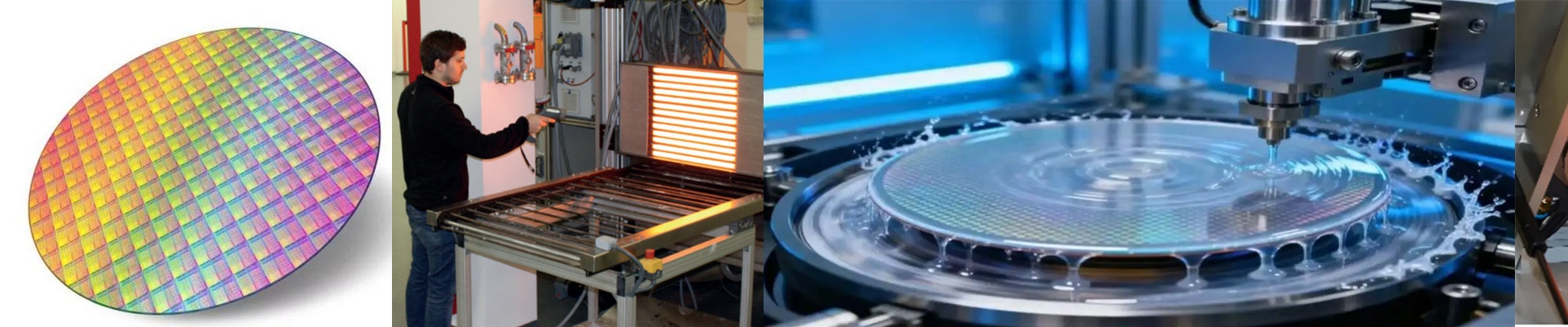
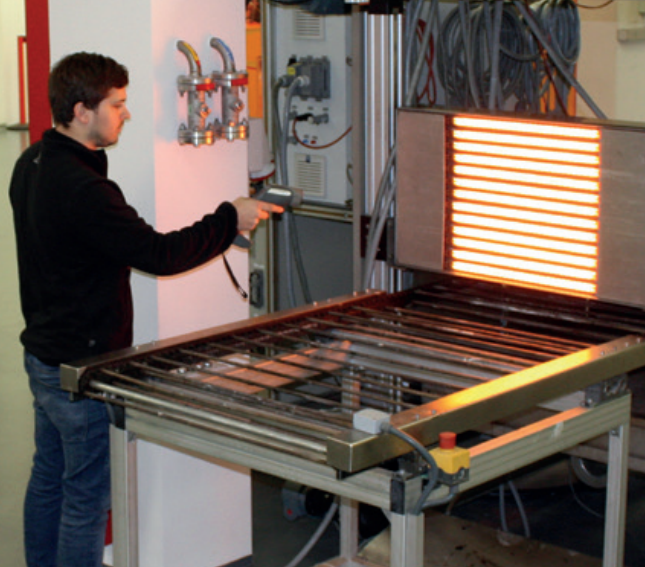
Everyone is pushing for “green” and lead-free standards in fab these days. But if you’re still relying on old-school convection ovens, you’re basically fighting a losing battle. Those forced-air systems are a headache—they kick up particles that contaminate your work and they bleed energy like a leaky faucet. That’s why we shifted to IR bulbs with gold reflectors. It’s a direct-radiation approach. No air blowing around. No dust. Just clean, focused heat. Stop heating the air Think about how a standard oven works. It heats the air, and then the air heats the substrate. It’s a slow, clunky loop. Our IR systems skip the middleman. The energy moves in electromagnetic waves and hits the material directly. We use gold reflectors because they bounce back over 98% of that radiation. Instead of letting heat soak into the machine’s frame, we shove it all right onto the wafer or PCB. Your energy bill goes down, and your parts get hot faster. The lead-free struggle If you’ve worked with lead-free solders or adhesives, you know how finicky they are. You’re walking a tightrope. Go too high and you fry a sensitive component. Go too low and you’re stuck with cold joints. The trick is matching the IR bulb’s wavelength to the specific curing agent you’re using. It lets you hit that “sweet spot” for soaking without the annoying lag you get with hot air. It just feels more precise. The reality check Now, it’s not all magic. High-intensity IR lamps put out a massive amount of heat. You can’t just toss them into a plastic box and hope for the best. Your chassis needs real heat sinking or some active cooling. If you skimp on the cooling specs, the housing will warp and that gold coating will start to degrade. It’s a powerful tool, but you have to build the cage right. What this means for your floor At the end of the day, your cycle times drop and your environment stays spotless. It’s the cleanest way to get the job done. Throw a PID controller on it to keep your temperature bands tight, and you’ll hit those environmental standards without slowing down your throughput.