
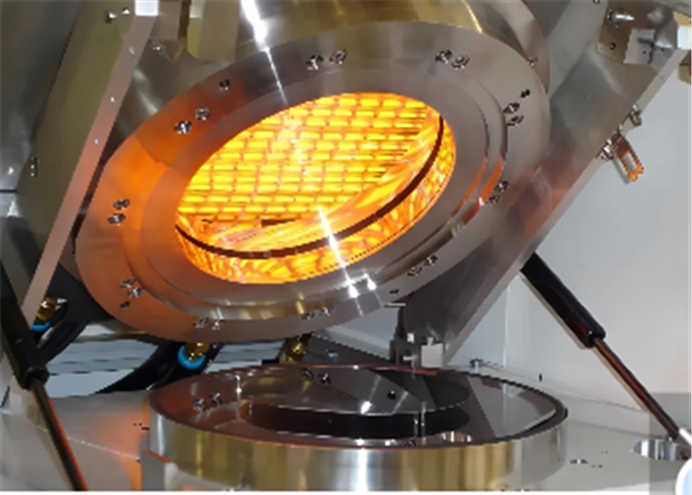
Why We Swapped Ovens for IR Lamps in Bio-sensor Fabrication
When you’re building bio-sensors, the curing and baking stages are where things usually get messy. You need pinpoint thermal control, but traditional convection ovens are just… clunky. That’s why we moved toward infrared (IR) lamp systems in our semiconductor lines. It’s a smarter way to work, and honestly, it’s a huge win for the planet because we stop wasting a ton of energy just keeping a big metal box hot while it sits idle.
Getting the Heat Exactly Where It Needs to Go
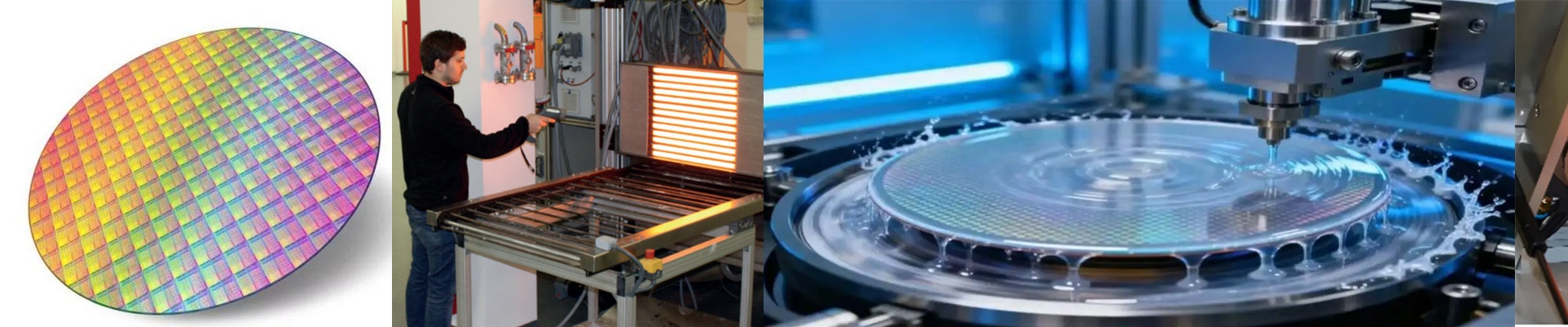
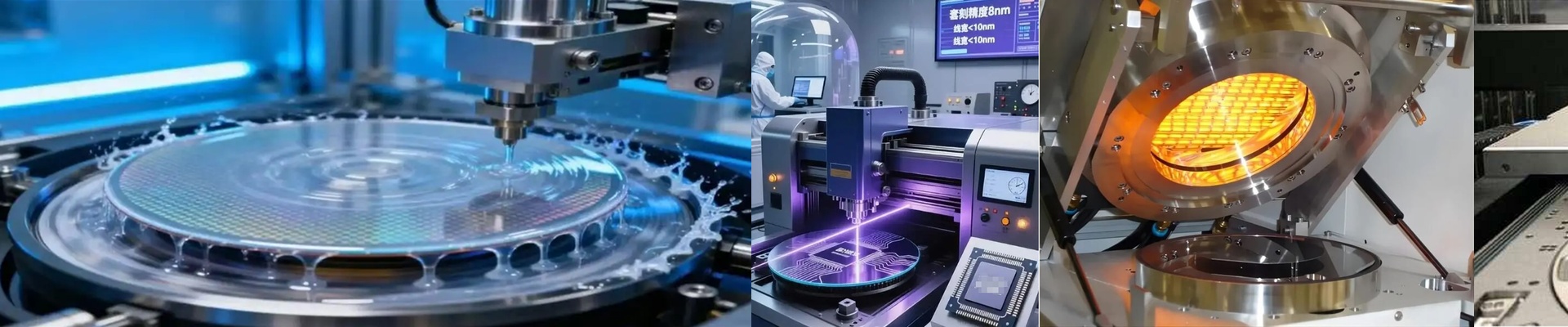
Here’s the thing about bio-sensor production: if you don’t ramp up the heat fast enough, your substrate can warp. It’s a nightmare to fix. IR lamps solve this by sending radiant energy straight to the target. We set these systems to hit the specific absorption bands of the biological layer or the photoresist. Instead of heating up all the air in a giant chamber, you’re only heating the wafer. It’s lean. It’s efficient. And it drops the kWh per wafer significantly.
The Hardware Side (And the Trade-offs)
We usually go with short-wave quartz lamps. Quartz is great because it handles high temperatures without the filament giving up on you. Since we’re in a cleanroom, we can’t have random particles floating around, so we use specialized or gold-coated reflectors to keep the beam focused. But you have to be careful. There’s a delicate balance between power density and how sensitive your substrate is. If you crank up the wattage to speed things up, you might create “hot spots” if the distance between the lamp and the wafer isn’t just right. Push it too far, and you’ll burn right through those organic layers. You need PID controllers that can react in a heartbeat to catch those spikes before they ruin a batch.
Building a Greener Fab
Switching to IR doesn’t just save power; it saves space. We can ditch those massive batch ovens and move to slim, in-line heating tunnels. This means the HVAC system doesn’t have to work overtime to cool down the fab floor, which is a nice bonus for everyone working there. The real magic happens when you pair these lamps with pulsed power supplies. By pulsing the energy, the material gets a moment to stabilize between bursts. It prevents that dreaded over-bake and keeps the total power draw low.